

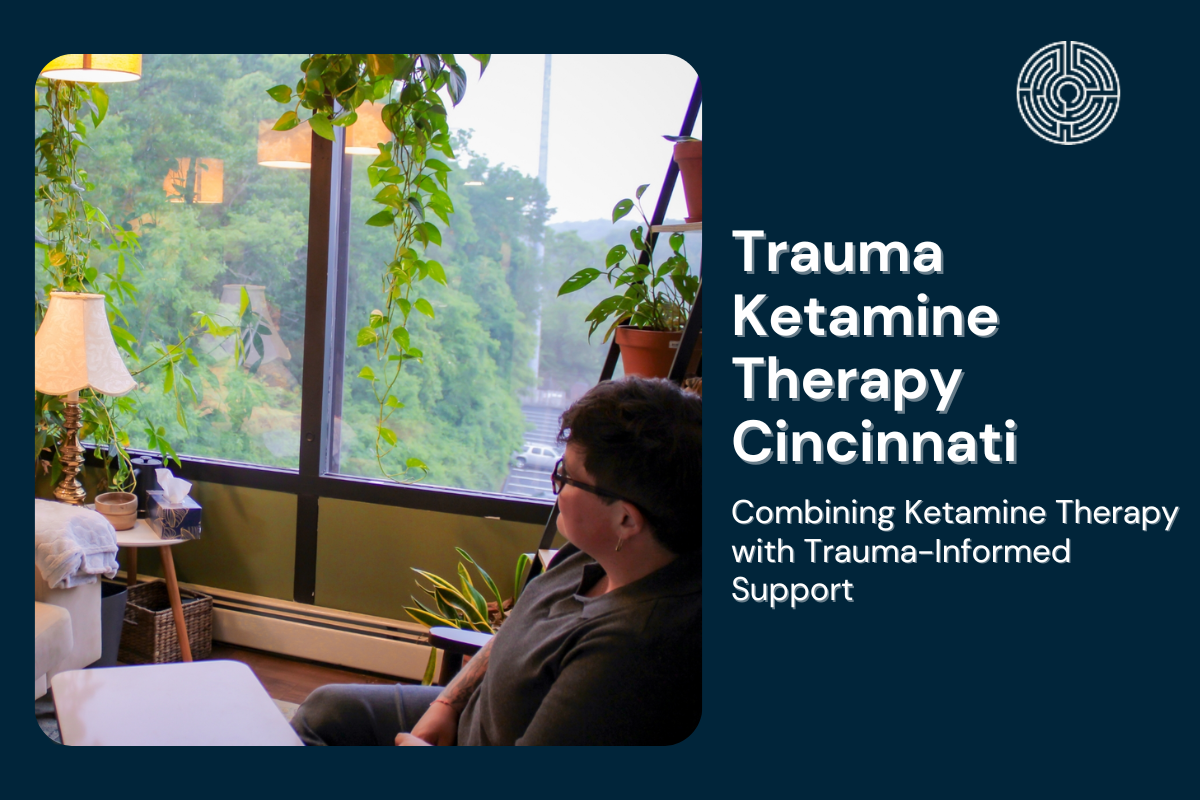
Trauma can stay with you for a long time. The event may be over, but your body and mind may still react to it. A sound, smell, place, or memory may bring back strong feelings.
You may have tried talk therapy. It may have helped in some ways. In this case, Trauma Ketamine Therapy Cincinnati may be an option to discuss with a qualified provider.
This treatment combines ketamine with therapy. The goal is to help you understand difficult feelings and work through painful experiences in a safe setting.
Why Trauma Gets “Stuck” in the First Place
In cases where one goes through an exceptionally horrific and traumatizing experience, their brain may be unable to process the information, resulting in the situation not feeling like something in the past but rather something happening now.
Such feelings may arise from hearing a specific sound or from smelling a familiar scent, and one may get scared, angry, or upset without really knowing why. Such reactions are caused by the brain.
Talk therapy works well for many people, but there are those who still find themselves stuck in the experience despite going through talk therapy. This is why some individuals try other options.
Trauma ketamine therapy in Cincinnati may offer a different approach in dealing with the memories. One can seek guidance from an experienced professional about this form of treatment.
Where Ketamine Fits Into the Picture
This medicine acts uniquely. It interferes with the function of a brain system named glutamate. It also encourages neuroplasticity. It means that the medicine helps the brain to establish new connections.
For some patients, this is a possibility to rethink their traumatic experiences. The procedure does not remove any memories. However, it makes those memories easier to manage when supported by other professionals.
Ketamine should be perceived as only one aspect of the treatment. Counseling should not be neglected. You need to consult with Trauma-Informed Counseling Cincinnati to feel comfortable while working on your mental problems.
Your counselor will assist you in preparing for treatment and comprehending your experience after the procedure. In this way, the treatment will become much more beneficial for you.
The Three-part Process
Ketamine-assisted therapy often includes several steps. Each step has a purpose. Your provider will explain the process before you begin.
The process may include:
- Preparation before the session, where you talk with your therapist about your goals and concerns.
- A supervised ketamine session in a calm setting with trained professionals nearby.
- Integration after the session, where you talk with your therapist about your thoughts, feelings, and experience.
The last step is very important. You may have new thoughts or feelings after a session. Talking about them can help you understand what they mean.
Trauma-informed counseling in Cincinnati can support this part of the process. Your therapist can help you connect what you experienced during treatment with your everyday life.
Why a Trauma-Informed Approach Matters So Much
Trauma recovery does not look the same for everyone. Some people may need more time. Others may feel ready to work on certain memories sooner.
A trauma-informed provider understands this. They will not force you to talk about something before you feel ready. They can help you move at a safe pace.
Choosing Trauma Ketamine Therapy Cincinnati from a provider who understands trauma can give you more support throughout treatment. You can ask questions and share concerns at every step.
Trauma-informed counseling in Cincinnati can also help you build healthy ways to manage stress and difficult emotions. You do not have to handle the process alone.
Frequently Asked Questions
1. Is ketamine treatment safe for trauma survivors?
The treatment should always be done by qualified healthcare providers. Before treatment, your provider should assess your condition. Moreover, the treatment itself should be done in a controlled environment.
The aspect of safety should be taken into account at all times.
2. How soon can I expect to see the results?
There is no single answer. Some people experience certain changes after a few sessions. While others may require more time.
The assessment of your symptoms and responses will help your provider to identify the most effective approach.
3. Can it be used as a substitute for therapy?
Ketamine should not be considered a substitute for therapy. However, the treatment can be used along with therapy, provided that the use of this drug is recommended by the provider.
Trauma-informed counseling in Cincinnati will help you to work on emerging issues.
4. Do I need to recall events that happen during the treatment process?
Patients may remember some of the events. Patients can describe the events as dream-like or out of their usual state of consciousness.
The therapist can discuss with you after the procedure. This way, the therapist will be able to help you understand the events and link them to your therapy goal.
5. Are there any restrictions on who may get this treatment?
This treatment is not suitable for all patients. The qualified provider must assess your physical condition, symptoms, medication intake, and treatment history before recommending it.
Patients with complicated or repetitive trauma also need a special approach to treatment. The provider will inform you if trauma ketamine therapy in Cincinnati is appropriate for you.
Take the Next Step to Recovery
Old trauma can continue to affect your life. You may feel like you have tried everything. You still have options to explore.
Trauma ketamine therapy in Cincinnati may be one option to discuss with a qualified provider. A careful treatment plan can combine medical care with therapy and support.
You do not have to make the decision alone. Start with a conversation and learn what may be right for you.
Revival Therapy provides a free 15-minute consultation. You can use this time to ask questions and learn more about your treatment options.